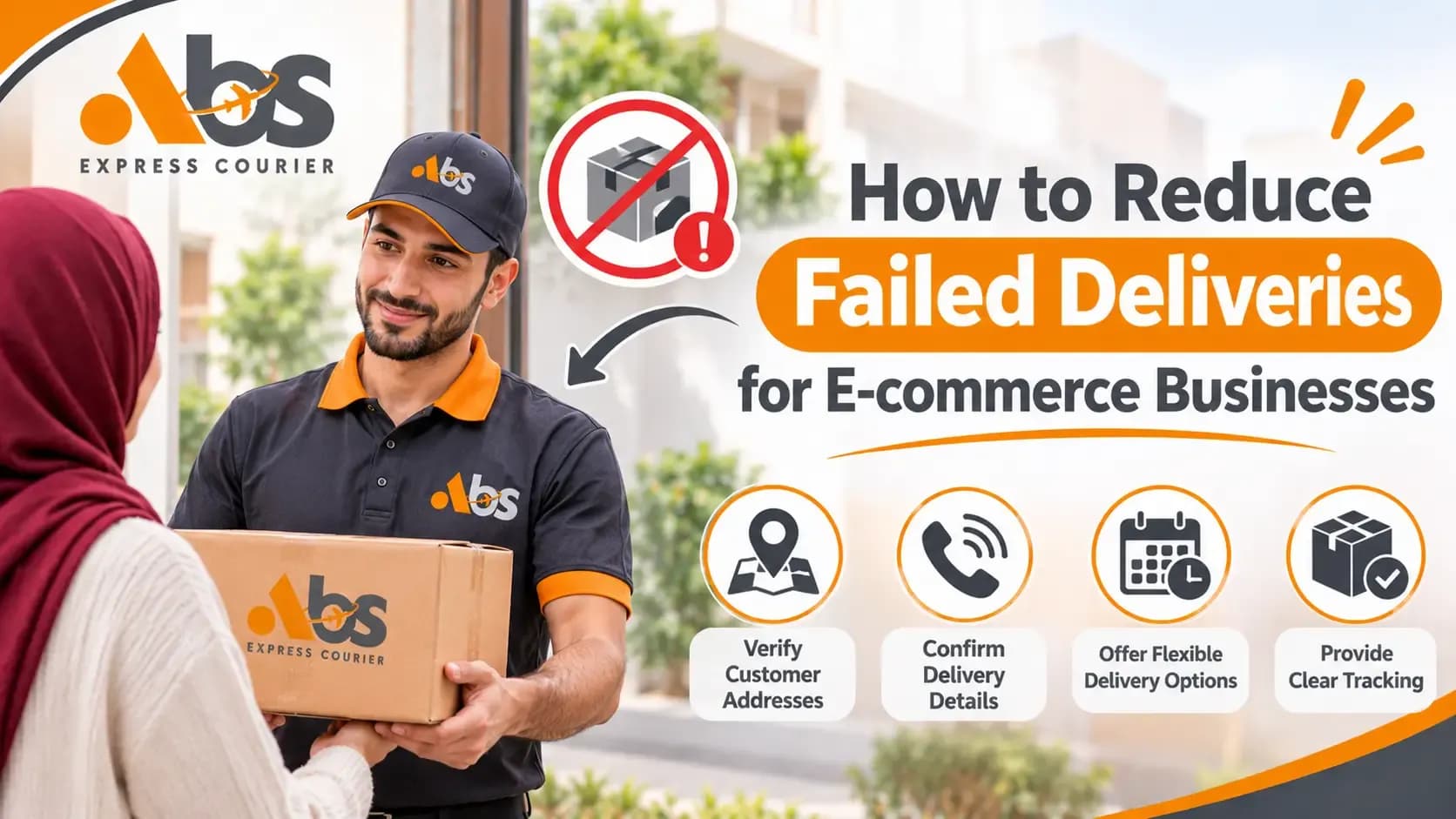
To reduce failed deliveries in your store, start with three steps before the shipment leaves: verify the address and phone number, confirm the order with the customer, and choose a courier that shows you what happens at each delivery attempt.
The right fix depends on why a delivery fails, so it helps to separate three situations: an unsuccessful delivery attempt where the handover was not completed, a customer refusing the shipment, and a returned shipment that comes back to your store.
Before you begin, prepare your order data, record the reasons for failure with your courier, and put a written return policy in place. Remember that technology and good procedures lower the risk, but they do not guarantee that every shipment will be delivered.
What Are Failed Deliveries in E-commerce?
A failed delivery in e-commerce is an order that the courier cannot hand over to the recipient. The cases differ from one another:
Unsuccessful delivery attempt: the courier arrives but cannot complete the handover, because the recipient is absent or the address is unclear.
Customer refusal: a decision by the customer, not a result of the courier being unable to reach them.
Returned shipment (RTO): the shipment goes back to the merchant. RTO stands for Return to Origin, and its procedures depend on each courier's policy.
A failed attempt does not automatically become an RTO. Procedures vary by courier, so a shipment may be re-attempted before it is returned.
Telling these cases apart is the first step in learning how to prevent failed deliveries, because each case has a different cause and a different fix.
When a merchant counts returned shipments on their own, the RTO rate in e-commerce becomes much clearer. Fewer address errors start with address verification for deliveries before the shipment leaves the warehouse.
Because return procedures differ from one company to another, a merchant should ask the courier about its available shipping and delivery services and how it handles returned shipments.
What Are the Most Common Reasons for Failed Deliveries?
Deliveries fail for a handful of reasons: errors in the order data, the courier being unable to reach the customer, or the customer changing their mind about the purchase. Their order varies from one store to another, so record the reason for every failed shipment to learn your own pattern, and share it with your courier so you can fix the problem together.
Cause
Preventive action
Responsible party
Incomplete address
Check the address fields before dispatch
Merchant
Recipient not available
Tell the customer the delivery time and let someone else receive the parcel
Courier and customer
Order refusal
Confirm the order before sending it
Merchant
Delays and unclear communication
Status updates and a clear support number
Merchant and courier
COD amount discrepancy
Match the COD amount with what the customer was told
Merchant
Incorrect or Incomplete Customer Addresses
A complete Egyptian address includes the governorate, city, district, street, building, floor and apartment. A missing field slows the courier down: without an apartment number or a landmark, the courier has to search or give up on the delivery.
The problem grows when the phone number is wrong or goes unanswered, because the address cannot be corrected during delivery. Collect all these fields at checkout, make customer order confirmation a step that comes before the shipment leaves, and then run address verification for deliveries. If anything is still unclear, contact the courier to clarify access details before the first attempt.
Customers Not Available at Delivery Time
The courier may arrive and find no one to receive the parcel, especially when the customer does not know the approximate delivery time. This is recorded as an unsuccessful delivery attempt. The fix is to notify the customer in advance through a delivery notification system, and to let them reschedule or name another person to receive the parcel. This makes failed delivery management easier and reduces the effect of e-commerce delivery failures on your store.
Order Refusals and Unconfirmed Purchases
An order the customer never confirmed, or one placed on impulse, may end in refusal at the door. Some customers also refuse a shipment when the product differs from what they expected, or when the order is a duplicate or incomplete.
Delays and Poor Communication
Delays without notice weaken the customer's interest in the order and may lead them to cancel. They are among the most common e-commerce shipping problems. Traffic, weather and operational pressure can cause delays, but missing updates and an unclear support number multiply enquiries and refusals.
Payment Issues and Unexpected Delivery Charges
When the amount requested at delivery differs from what the customer saw when ordering, a dispute follows that can end in refusal. Typical sources of the difference include:
A price that changed after the order
A discount that was not applied
Shipping fees that were never mentioned to the customer
A customer who faces a higher amount than expected may not have the cash on hand. Make sure the COD amount registered with your courier matches what you confirmed with the customer.
How Do Failed Deliveries Affect E-commerce Businesses?
Failed deliveries reduce profit even when order volumes are high, and their effects show up in four areas:
Cost: an extra trip or the return of the shipment, followed by return handling and restocking.
Inventory and cash: stock that is stuck cannot be sold, and the COD amount is not collected.
Daily operations: the order team and customer service follow up on every case.
Trust: the customer's rating falls, and so does their willingness to buy again.
For this reason, failed delivery management requires constant monitoring of the delivery success rate.
How Can E-commerce Businesses Reduce Failed Deliveries?
Preventing failed deliveries starts before the shipment leaves your warehouse and continues until the customer receives the order. Each step below addresses one of the causes described earlier.
Verify Customer Details Before Dispatch
Review the order details before handing the shipment to the courier, because a small mistake in the address or phone number can cost you a whole delivery attempt. Make the address fields separate and mandatory, and ask for a nearby landmark. Collect only what is needed to prepare and deliver the order.
Governorate, city, district and street
Building number, floor and apartment
A working phone number
The confirmed COD amount
Confirm Orders Before Shipping
Call or message the customer before shipping to confirm that they still want the order, and to check the products, quantities, address and the amount to be collected. This confirmation exposes orders that are not serious and settles price differences before the shipment goes out. It is especially useful for COD orders. It does not stop refusals entirely, but it reduces them.
Send Delivery Notifications and Updates
Tell the customer when the order ships and when it is close, and give them a way to reach you, so they can prepare to receive it and worry less. Ask your courier which notifications it actually provides, and do not assume every courier has an automated delivery notification system. If it does not, send them yourself.
Provide Accurate Delivery Estimates
State an estimated time based on what your courier confirms for each area, and add your order preparation time. Do not promise a date you cannot guarantee. If conditions change, update the date and tell the customer quickly.
Offer Flexible Delivery Options
Flexibility raises the chance of a successful delivery, for example letting the customer choose a convenient time, change the address before shipping, or name an alternative recipient. What you can offer depends on your operations and on what your courier supports, so ask the courier before presenting these options to customers.
Make Return and Exchange Policies Clear
Write your return and exchange policy in Arabic and show it before the order is completed. A clear policy reduces impulsive refusals and eases disputes, which helps you reduce return to origin rate.
Conditions for accepting a return
How to request an exchange
How refunds are made
What happens when a shipment is refused
Any shipping or return fees
Egypt's Consumer Protection Law No. 181 of 2018 addresses online shopping, so review its details with a legal specialist before drafting your policy.
How Can Technology Help Prevent Delivery Failures?
Technology helps you spot a problem before it turns into a failed shipment, but it supports decisions and does not guarantee delivery.
Address validation at checkout, and updated customer data in the order and delivery management system.
Tracking and notifications keep the customer informed whenever they are available.
Reports reveal failure patterns by area or order type, so you can target your intervention and lower your RTO rate in e-commerce.
How Does Choosing the Right Courier Partner Help Reduce Failed Deliveries?
The courier is the last link between your store and your customer, so the success of the final delivery depends on it, and price alone is not enough to choose one. Ask the courier in writing how it handles unsuccessful attempts, and what its RTO procedures and fees are.
Criterion
What to ask
Coverage
Does it serve the areas where your customers are?
Communication and tracking
How will you receive shipment status updates?
Attempt management and returns handling
How are attempts recorded and how are shipments returned?
Support and transparency
Are clear reports available?
ABS Courier, which specialises in shipping services for e-commerce and is based in Maadi, offers local and international delivery, tracking by shipment number, and packing and storage. Discuss its attempt and returns process with it, as it does not promise that every delivery will succeed.
Frequently Asked Questions About Failed E-commerce Deliveries
What Is the Most Common Reason for Failed Deliveries?
No single reason can be asserted as the most common in Egypt, because it varies from one store to another. The recurring causes include incomplete addresses, the customer being absent when the courier arrives, and refusal on receipt. It helps each store to review its own shipment records to see where its problem is concentrated.
How Can Online Stores Reduce Customer Refusals?
The best approach is to confirm the order with the customer before shipping it. Refusals also fall when product photos and specifications are accurate, and when the customer knows the amount due on delivery and the return policy in advance.
What Is Return to Origin (RTO) in E-commerce?
RTO stands for Return to Origin, meaning the shipment goes back to the sender after it could not be delivered to the customer.
How Do Failed Deliveries Increase Shipping Costs?
A failed delivery means paying for the trip almost twice: once for the attempt that did not succeed, and once for the re-attempt or the return. On top of that come the customer service time spent handling enquiries, and the effort of returning the parcel to the warehouse and registering it again.
Can Shipment Tracking Help Prevent Failed Deliveries?
Yes, tracking helps reduce the problem, but it does not guarantee successful delivery. When customers know their shipment is out for delivery, they prepare to receive it, and when the team sees that an attempt failed, it can act quickly. ABS Courier lets you track a shipment by its number on its website or app.
What Should Businesses Do When a Delivery Attempt Fails?
Contact the customer immediately to find out the reason, then agree on a new time or a corrected address. Record the cause of the failure in your own system, since repeated causes point to a problem in address data or order confirmation. This follow-up helps you reduce failed deliveries over time.
How Can a Courier Company Improve Delivery Success Rates?
A courier company improves success rates through clear communication with the customer, well-organised management of delivery attempts, and keeping the store informed about the status of each shipment as it changes. The result also depends on the accuracy of the store's data, so success is a shared responsibility between both sides.
Start Reducing Failed Deliveries with the Right Shipping Partner
If you want to reduce failed deliveries, start with what you control: a complete address, order confirmation before dispatch, clear communication with the customer, and an easy-to-understand return policy. After that, choose a shipping partner that lets you track shipments, follow delivery attempts and see what happens when a parcel is returned.
ABS Courier, which provides e-commerce delivery in Egypt, offers shipping, logistics and warehousing services that can support these steps. If you are reviewing logistics and warehousing services for your store, explain your requirements clearly to the team.