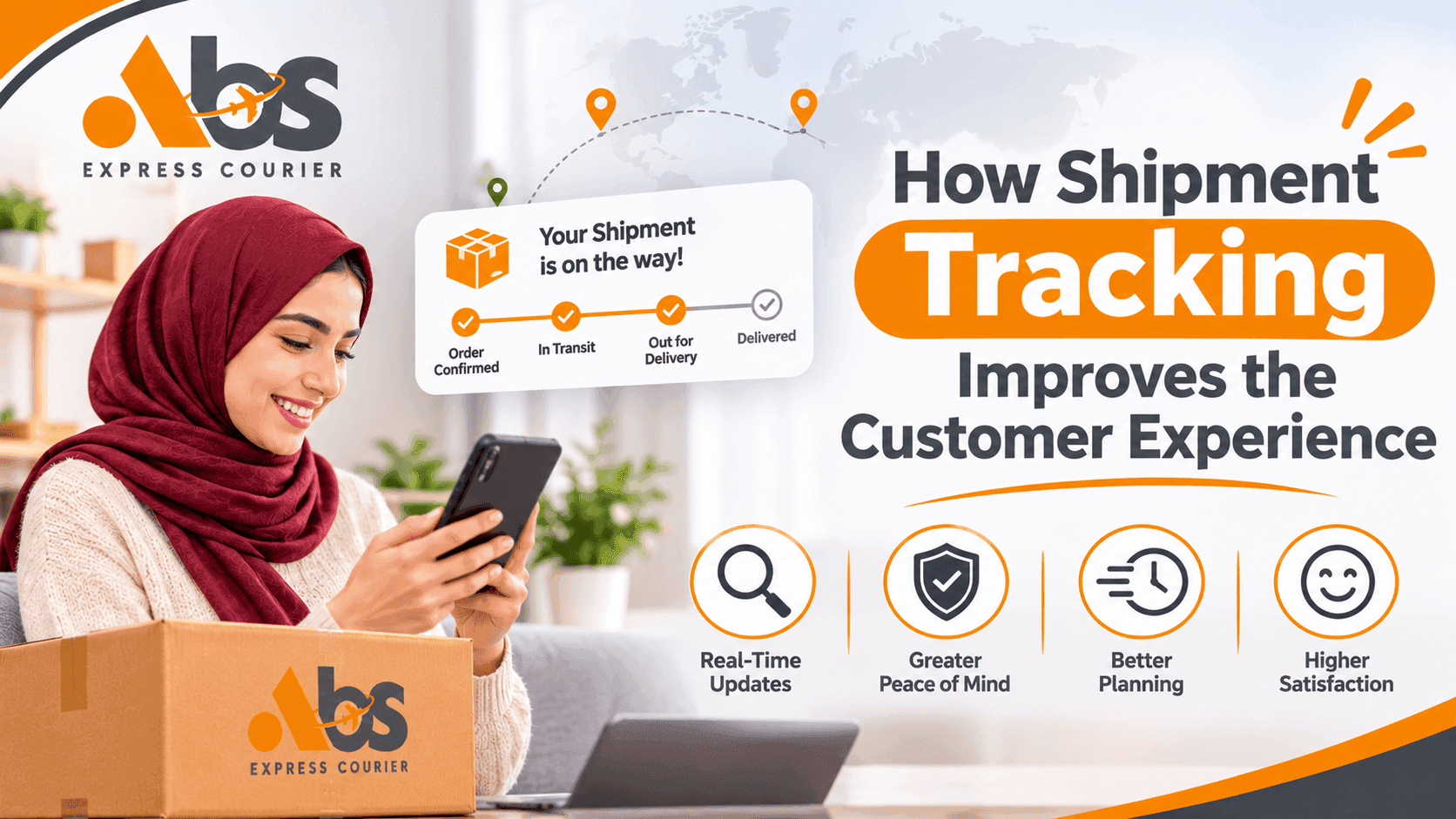
Shipment tracking lets a buyer or a store follow a parcel from pickup to final delivery, so uncertainty gives way to information anyone can check. It matters most in the days between paying for an order and holding it in your hands.
It works through a tracking number, a unique reference for the parcel, and the status events the courier records along the way. How much you can see, and how often it updates, varies by courier and service type.
Two readers benefit most: Egyptian shoppers waiting for a parcel, and online store owners who answer «Where is my order?» messages every day.
What follows covers how tracking works, what common statuses mean, where its limits lie, and practical steps for Egyptian online stores.
What Is Shipment Tracking and How Does It Work?
Shipment tracking is the monitoring of a parcel from dispatch or pickup to its final destination, using events the courier records along the way. Each scan or status change adds a step to the shipment's history.
A tracking number identifies the parcel; its format differs between couriers. Shipment status updates show recorded progress, while delivery notifications are messages sent when a status changes. Visibility and update frequency vary by courier and service.
Why Is Shipment Tracking Important for Customer Experience?
Shipment tracking matters because it shows customers what happens to an order after checkout. Instead of wondering whether a parcel has left the store, they can track shipment online and see its progress.
That visibility builds shipping transparency, helps a shopper in Cairo plan to be home based on delivery tracking updates, and reduces messages to the seller. It supports good service but cannot replace accurate packing and reliable delivery.
How Does Shipment Tracking Benefit E-commerce Businesses?
Shipment tracking helps e-commerce stores run smoother operations and keep customers informed. It works at the parcel level, and it is easy to confuse with order tracking.
Order tracking covers the whole purchase, from payment to confirmation. The store owns it, so ask the store.
Parcel tracking follows the physical parcel while it moves. The courier owns it, so ask the courier.
Reducing Customer Inquiries About Order Status
When customers can check progress themselves, they send fewer «Where is my order?» messages. With e-commerce order tracking, put the tracking number in the confirmation message so they have one place to look. Support is still needed when a delay or exception occurs.
Improving Delivery Transparency and Trust
Good shipment visibility lets customers see what happened and when, without asking the store. Honest status information builds more trust than vague promises, so avoid promising dates or statuses the courier has not confirmed.
Identifying Delays and Delivery Issues Earlier
A parcel stuck at one status, or a failed delivery attempt, can be flagged before the customer complains. The store can then contact the courier, verify the customer's details and explain the next step. Tracking shows the recorded event, not always its cause.
Supporting Better Customer Service
Support staff can answer from recorded events instead of guessing. When sales, support and logistics work from the same status history, they can resolve complaints about delays or failed attempts faster and more consistently.
What Information Should a Shipment Tracking System Provide?
A useful shipment tracking system gives a clear status history the customer can read at a glance. The level of detail depends on the courier and the service selected.
Status
Meaning
What to do
Shipment registered
The courier has the shipment details
Keep the tracking number
Picked up
The courier holds the parcel
Nothing yet
In transit
The parcel is moving between points
Wait for the next status
At sorting facility
The parcel is being sorted
Wait for the next status
Out for delivery
The courier is on the final leg
Keep your phone available
Delivery attempted
Delivery did not complete
Contact the courier or store
Delivered
The shipment is closed
Report any mismatch quickly
Order Dispatch and Pickup Confirmation
An online store confirming your order is not the same as the courier collecting the parcel. Pickup confirmation shows that the shipment has entered the delivery network. The first events may appear only after the parcel reaches the courier's facility.
Current Shipment Location and Status
A status tells you which stage the parcel has reached, such as sorting, not necessarily where it is on a map. Terminology differs between providers, and updates are not always continuous, so do not assume real-time shipment tracking.
Estimated Delivery Date
An estimated delivery date is a projection, not an appointment. Traffic, address problems or an absent recipient can shift it, so treat it as a window to plan around.
Delivery Attempt and Confirmation Updates
Shipment status updates at the delivery stage tell stores and customers where the final leg stands, so a failed attempt can be followed up quickly and order records stay accurate. Proof of delivery or recipient confirmation exists only where the courier supports it.
What Are the Common Challenges of Shipment Tracking?
Common shipment tracking challenges are delayed updates, estimates that shift, limited detail and vague status wording. They vary by courier and service, so they do not affect every provider.
Check the digits and formatting of the tracking number.
Wait for the first scan; events often appear only after the parcel reaches the courier's facility.
Contact the sender or store if nothing changes.
Parcels may also change carriers or tracking references along the way.
How Can Businesses Improve Their Shipment Tracking Experience?
Online stores improve tracking by choosing the right courier, sharing milestones, communicating honestly about delays and making tracking details easy to find. These steps suit Egyptian stores of any size.
Choose a Courier Partner with Reliable Tracking
Ask each courier which statuses, channels and update practices apply to the service you will use, including delivery confirmation and support for unclear cases. If you are comparing options for tracking shipments for e-commerce, ask how package tracking and parcel tracking work for your type of order. Then test a few shipments inside Egypt before scaling. ABS Courier's express courier service is one option to review.
Send Timely Shipping Notifications
Send the tracking number as soon as the parcel is handed over, with clear instructions on where to check. Add messages for dispatch, delays and delivery by email, SMS or chat, depending on your systems and what your courier supports.
Keep Customers Updated About Delivery Delays
When you spot a delay, check the latest status, ask the courier for clarification and tell the customer early, with the reason and next step. Give a new date only when it is reliable, and follow up until it is resolved.
Provide Easy Access to Tracking Information
Place the tracking number and link in confirmation messages and on the customer account page, with each status explained in plain words beside it. Make sure support staff can look up shipments too. The method depends on your platform and courier.
How Does ABS Courier Support Shipment Tracking and Delivery Visibility?
ABS Courier is a logistics provider in Egypt offering local and international express courier services. Its website includes a «Track Your Shipment» option that works with a tracking number, through the site or the app.
Which Shipment Tracking Services Keep You Informed?
The site mentions real-time tracking in its international shipping section, but that does not mean every service works this way. To confirm notification channels, update frequency, proof of delivery and how your shipment tracking number is used, call 16231 or email info@absegy.com through ABS contact details.
Frequently Asked Questions About Shipment Tracking
How Does Shipment Tracking Work?
Shipment tracking records each stage of a parcel's journey against a unique reference. Once the parcel is registered, staff scan it at handover, sorting and delivery, and each scan becomes a status event. You then enter the tracking number on the courier's website or app to see those events.
Why Is My Shipment Tracking Not Updating?
Most often the parcel has not yet reached a scanning point, or it is between facilities. Check that you entered the number exactly as shown, including any letters. If the status stays unchanged for longer than the courier's service normally suggests, contact the sender or the courier's customer service.
How Often Is Shipment Tracking Information Updated?
It depends on the courier and the service type, so there is no single rule. Updates appear when the parcel is scanned or a delivery event is recorded, not continuously. Some services show more detail than others, so ask your courier what each status means and when to expect changes.
Can Customers Track Orders Without a Tracking Number?
Sometimes, but the tracking number is the most reliable way. Look for it in the order confirmation email, the shipping notice or on the parcel label. If you cannot find it, ask the store or sender, who can often supply it or give you another reference the courier accepts.
What Does In Transit Mean in Shipment Tracking?
«In transit» means the parcel has left its starting point and is moving through the courier's network toward you. It may be on a vehicle, at a sorting facility or changing hands between legs. The status does not show an exact location or guarantee a delivery date.
How Can Shipment Tracking Reduce Customer Complaints?
Shipment tracking lets customers see progress themselves, so fewer of them need to ask where a parcel is. It also helps businesses spot a stalled or failed delivery early and contact the customer first. Clear status wording matters, because vague updates can still prompt questions.
What Is the Difference Between Order Tracking and Shipment Tracking?
Order tracking follows the whole purchase, while shipment tracking follows only the physical parcel. An order moves through payment, confirmation, packing and handover to a courier. Parcel tracking begins at that handover, so questions about items or payment go to the store, and delivery questions go to the courier.
Make Delivery Clearer for Your Customers
Clear shipment tracking turns a waiting period into a process customers can follow. They know when a parcel has been picked up, where it is in the delivery chain, and when to expect it at the door.
If you run an online store or ship regularly, it is worth reviewing how your courier handles status visibility and how often updates appear. Before promising tracking features to your customers, confirm the details directly with the provider.
You can learn more about ABS Courier's available shipping and tracking services and ask the team which tracking options suit the way you send parcels.